

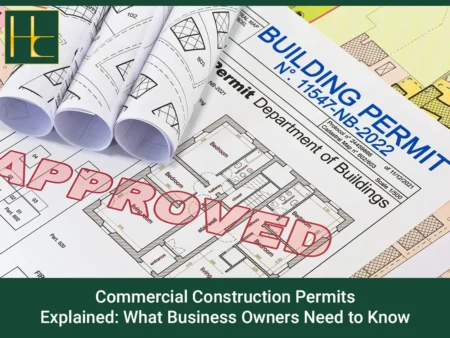
Understanding the Role of Permits in Commercial Construction
Starting a renovation project requires more than a vision and a contractor. Business owners planning commercial construction projects often ask whether permits are necessary and how they affect timelines and costs. In a growing market like Tampa, FL, understanding permit requirements is essential for staying compliant and avoiding delays. Permits serve as official approval from local authorities, confirming that a project meets building codes, safety standards, and zoning regulations.
Without the right permits, a project could be fined, halted, or forced to remove completed work. This is why getting the right approvals is the most important step before any work can start. Collaborating with knowledgeable professionals ensures the accurate fulfillment of all requirements from the outset.
Why Permits Are Required for Commercial Renovations
Protecting Safety and Building Standards
Permits are meant to keep both property owners and the public safe. They ensure that all building work complies with the rules for safety and structural integrity. This is very important in business settings where buildings need to safely hold people, equipment, and customers.
Before issuing permits, local building departments review plans to ensure the work will be done in accordance with the rules. Then, at various points in the project, inspections are conducted to ensure that the construction matches the approved plans. This process reduces the risk of structural problems and helps things last longer.
Ensuring Compliance With Local Regulations
There are different rules for land use, zoning, and building changes in each city. In Tampa, all commercial building projects must follow the city’s rules regarding things like how many people can live there and how easy it is to get to. Permits help ensure that these rules are followed and that all developments are consistent.
If you don’t follow local rules, you may face fines and issues when selling or renting the property. Getting the right permits ensures that all work is properly recorded and recognized by the law.
Types of Permits You May Need
Structural and Building Permits
Most commercial renovation projects require a general building permit, especially if they involve structural changes. This includes changes to the walls, floors, or roof systems. Structural permits make sure that the changes won’t weaken the building’s structure.
If changes to the interior layout or other minor elements affect load-bearing elements or emergency exits, they may still need approval. Knowing the scope of work helps you determine which permits you need.
Electrical, Plumbing, and Mechanical Permits
Usually, you need separate permits for projects that involve wiring, plumbing, or heating and cooling systems. These special permits make sure that installations are safe and work as they should.
Most of the time, only licensed professionals can do this kind of work, and inspections are conducted to ensure the rules are being followed. Managing a successful project means making sure these permits are in order.
The Permit Application Process
Planning and Submitting Documentation
Planning and writing down everything in detail is the first step in getting a permit. Contractors or business owners must submit plans that detail the work, materials, and design. Local governments check these papers to ensure they comply with building codes.
Submissions that are accurate and complete help keep things on track. Reviewing applications that lack information or contain errors may prolong the review process or result in rejection. If you work with experienced contractors, this process can go more smoothly and be more efficient.
Inspections and Final Approval
After a permit is granted and work starts, inspections are planned at important points. Inspectors examine the work to ensure it follows the approved plans and is safe. To move forward with the project, these inspections must be passed.
The project receives official approval once all work is complete and final inspections are passed. This demonstrates that the renovation is safe, compliant with regulations, and ready for use.
Common Mistakes to Avoid
Starting Work Without a Permit
One of the most common mistakes people make in commercial construction is starting work without getting the right permits. This can have adverse effects, such as fines and project delays. Occasionally, the authorities may require the removal or redoing of previously completed work to comply with the code.
Getting permits before starting construction helps avoid these problems and keeps the project on schedule.
Underestimating Permit Timelines
Permits can take a long time to approve, depending on the project’s complexity and local demand. Not taking this timeline into account can throw off project schedules and add extra stress.
Planning ahead and allowing enough time for approvals makes the process go more smoothly and reduces the chance of delays.
Frequently Asked Questions
Do I need permits for a commercial renovation?
Most commercial renovations require permits, especially if the work involves structural, electrical, or plumbing changes. Local regulations determine the exact requirements.
How long does it take to get a permit in Tampa, FL?
The timeline varies based on the project scope and application completeness. Simple projects may be approved quickly, while complex renovations may take longer.
What happens if I do not get a permit?
Failing to obtain a permit can result in fines, work stoppages, and potential legal issues. It may also affect the ability to sell or lease the property.
Can a contractor handle the permit process?
Yes, many contractors manage the permit process on behalf of clients. This ensures compliance with all requirements and alleviates the burden on business owners.
Conclusion
Navigating the permit process is an essential part of any commercial construction project. Understanding requirements, preparing proper documentation, and working with experienced professionals can help ensure a smooth and compliant renovation. For businesses in Tampa, FL, taking the right steps early in the process can prevent costly delays and complications. Partnering with a trusted contractor can simplify the experience and support successful project completion. To learn more about professional services, visit Hybrid Construction to explore how expert guidance can benefit your next project.
Picture Credit: Depositphotos